Screen Printing.
//date: 04.2016
//location: Huddersfield, UK
01. 04. 15. 13.
Helpful basic guide to screen printing.
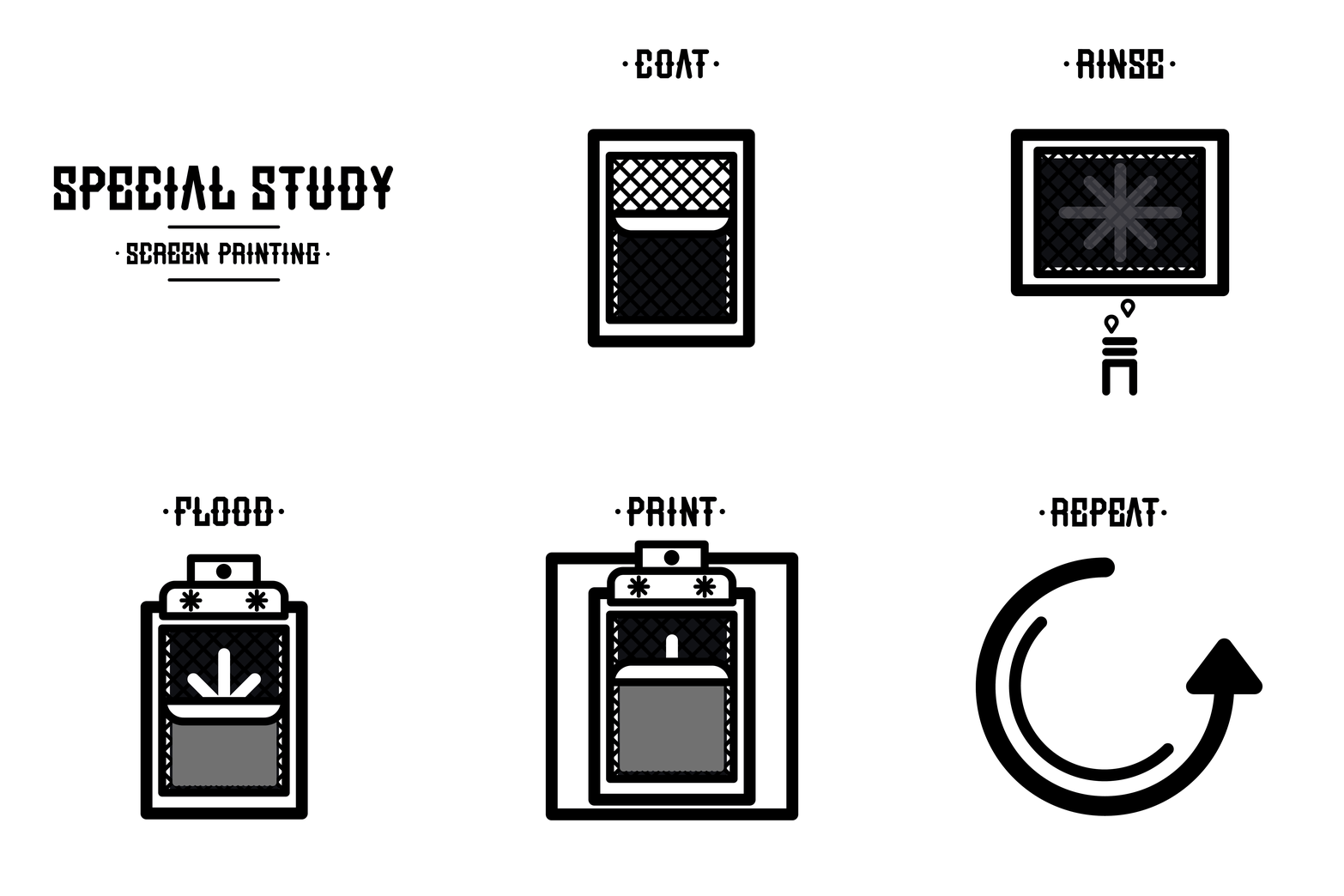
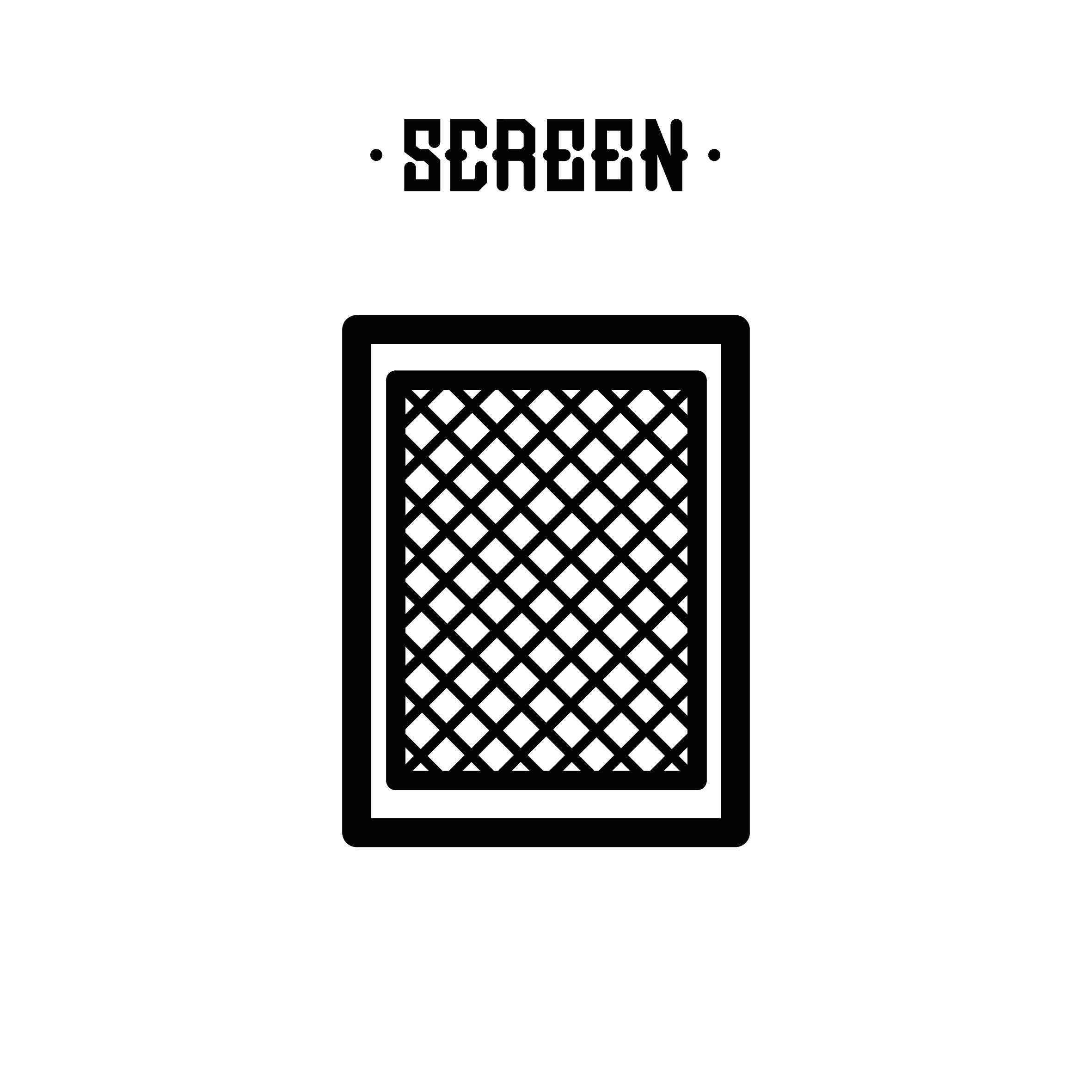
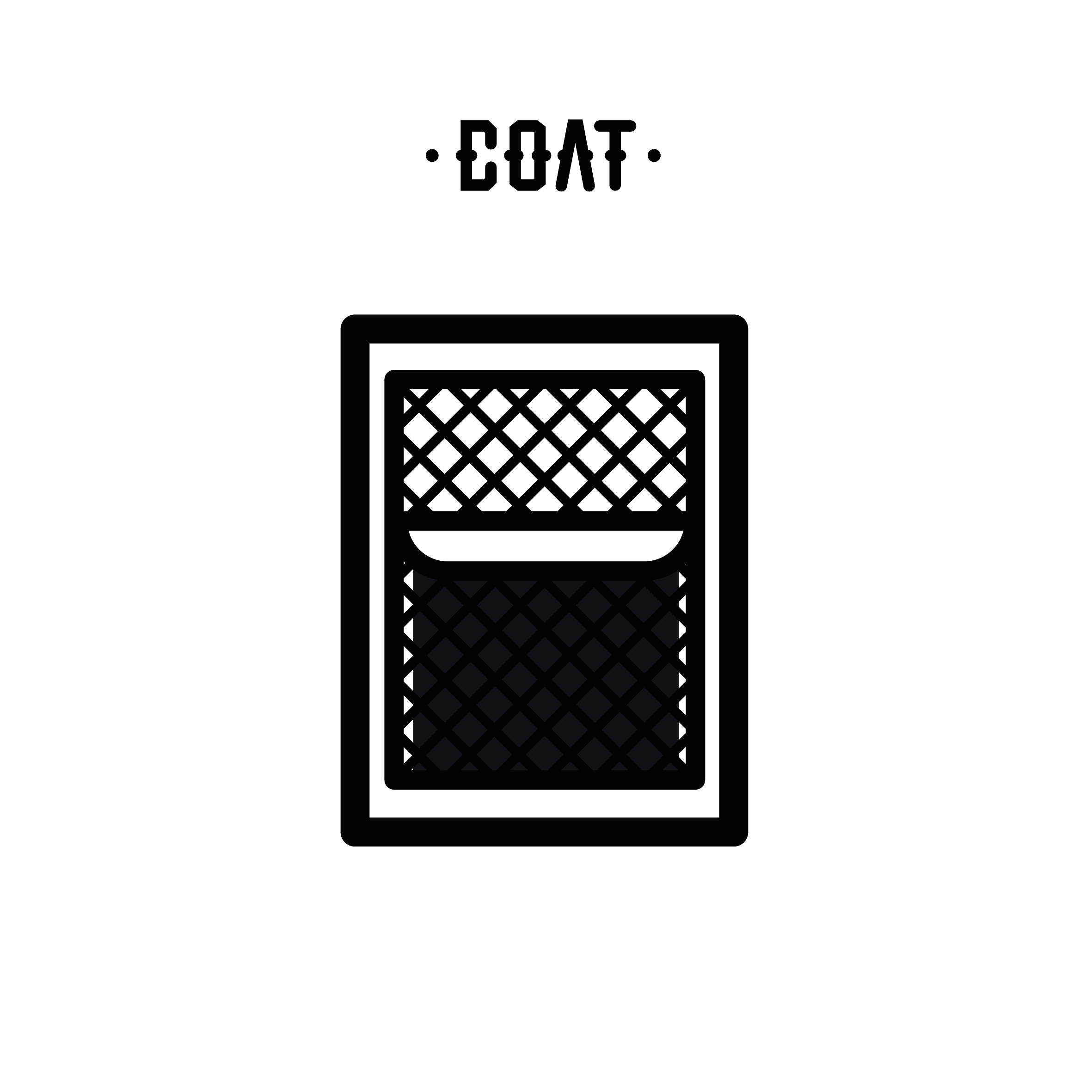
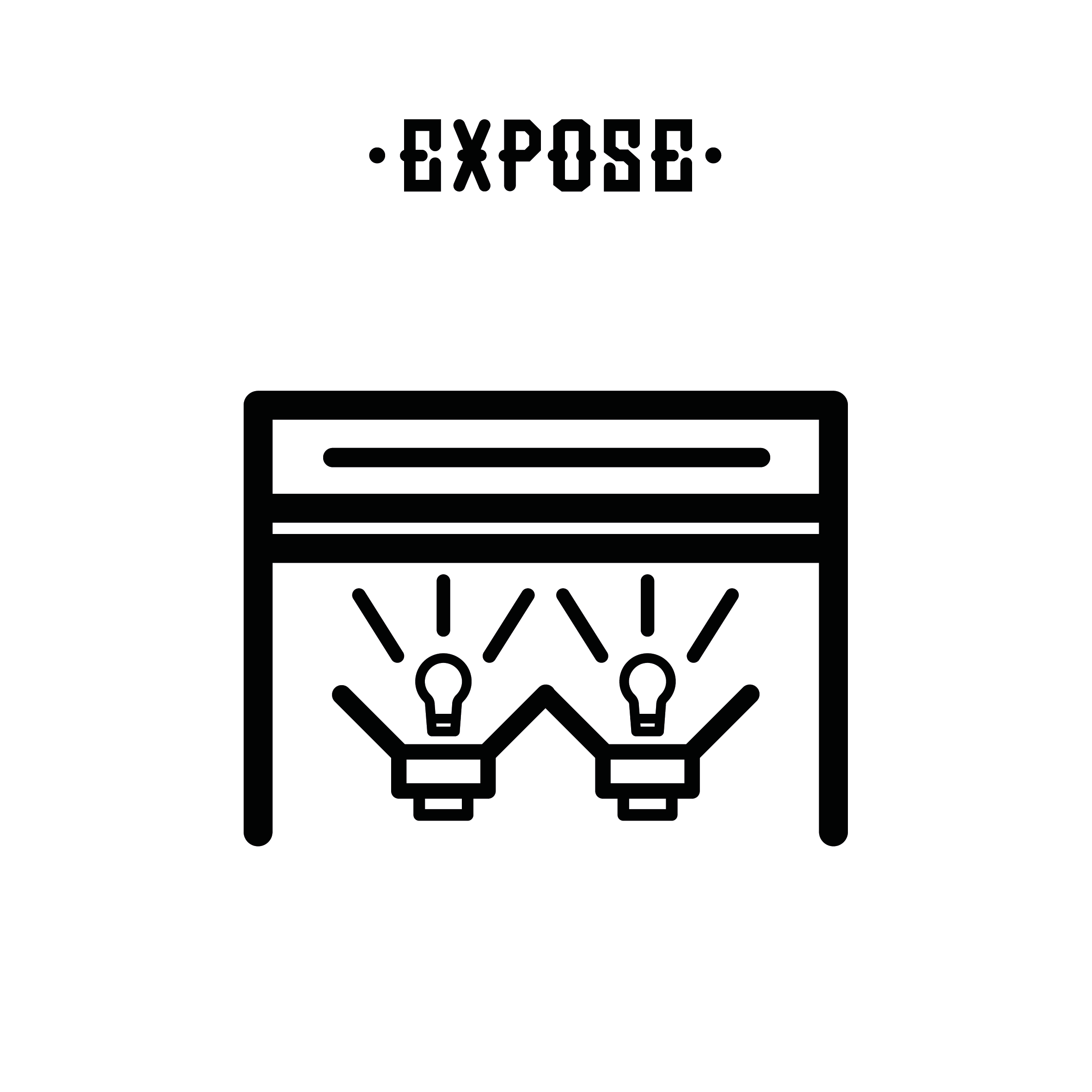
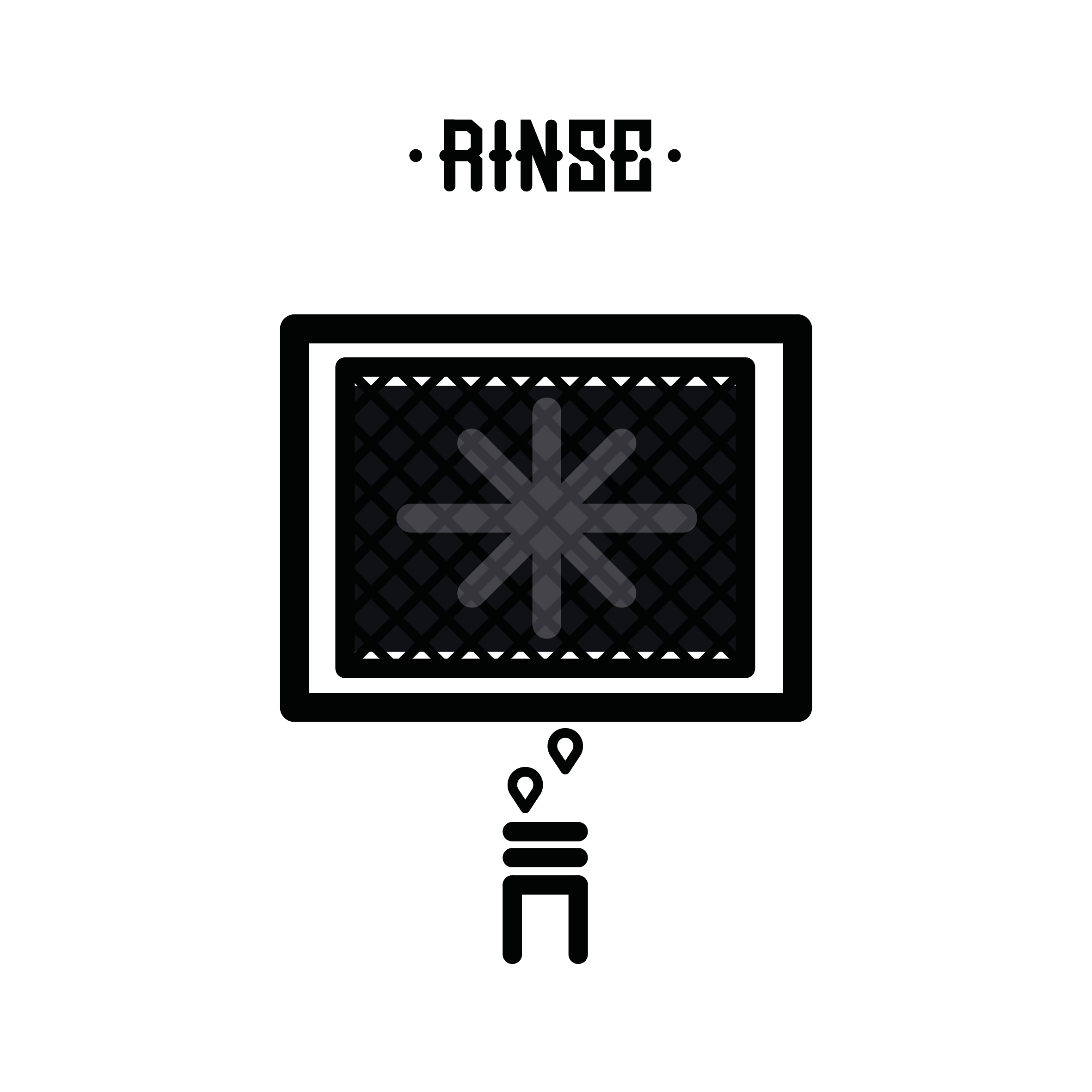
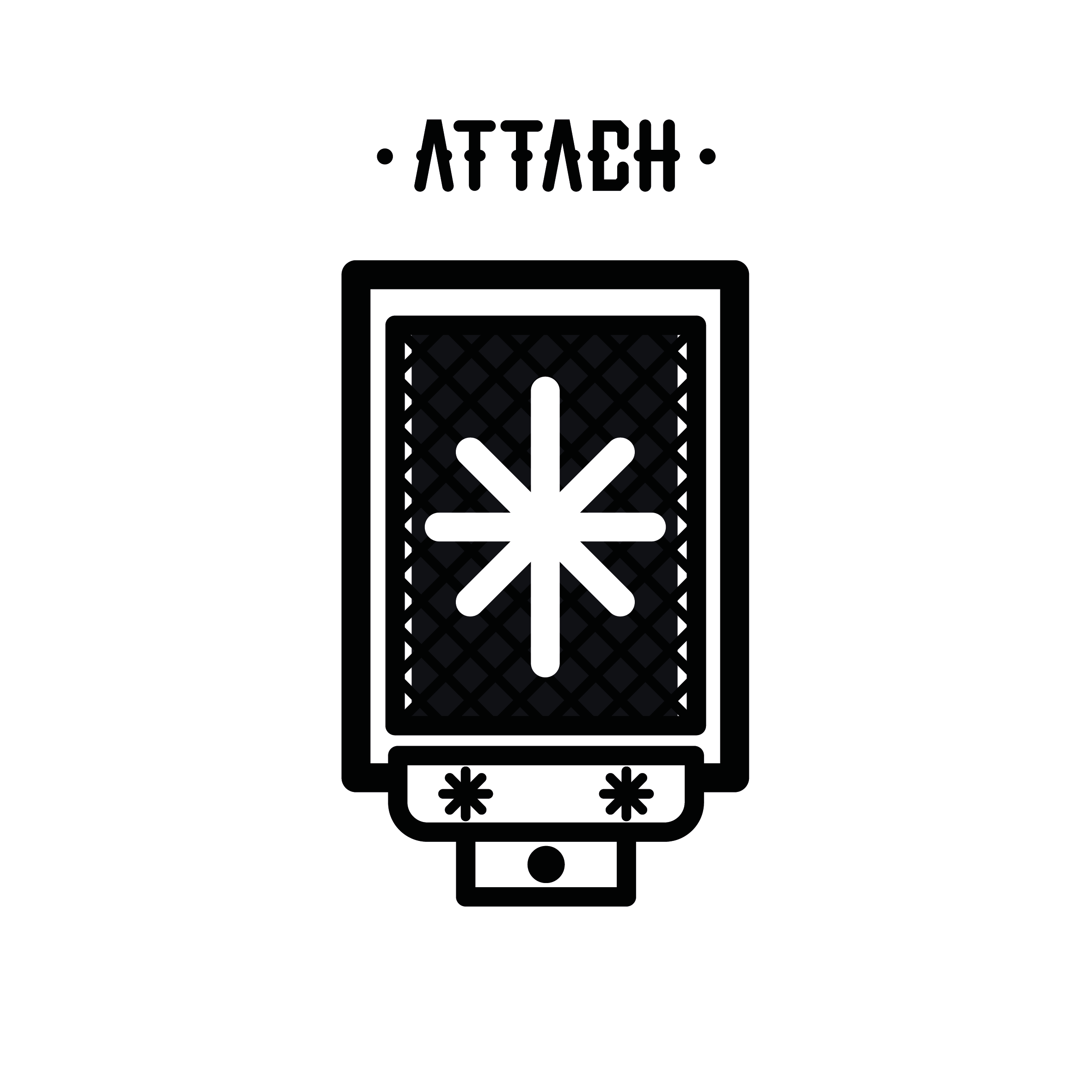
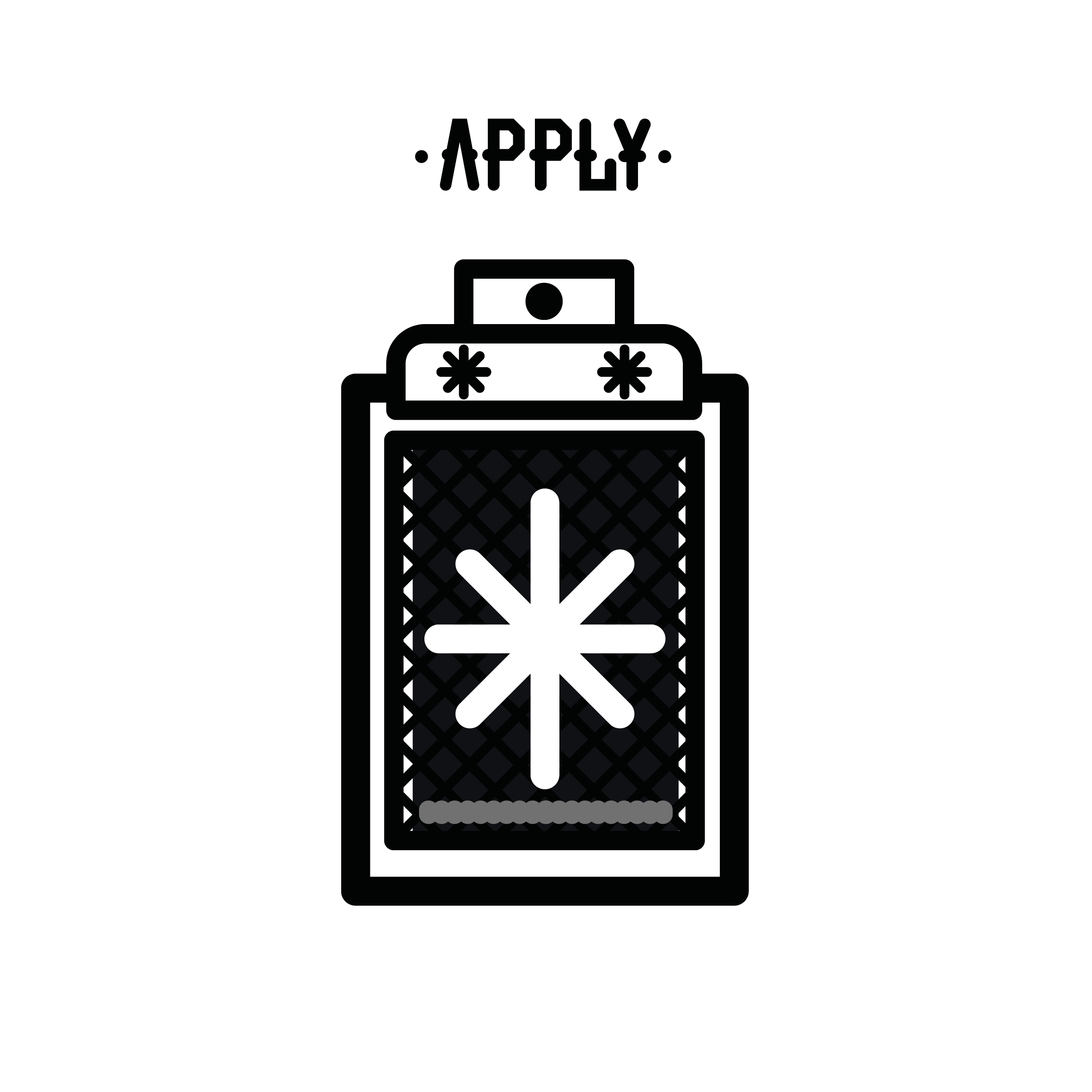
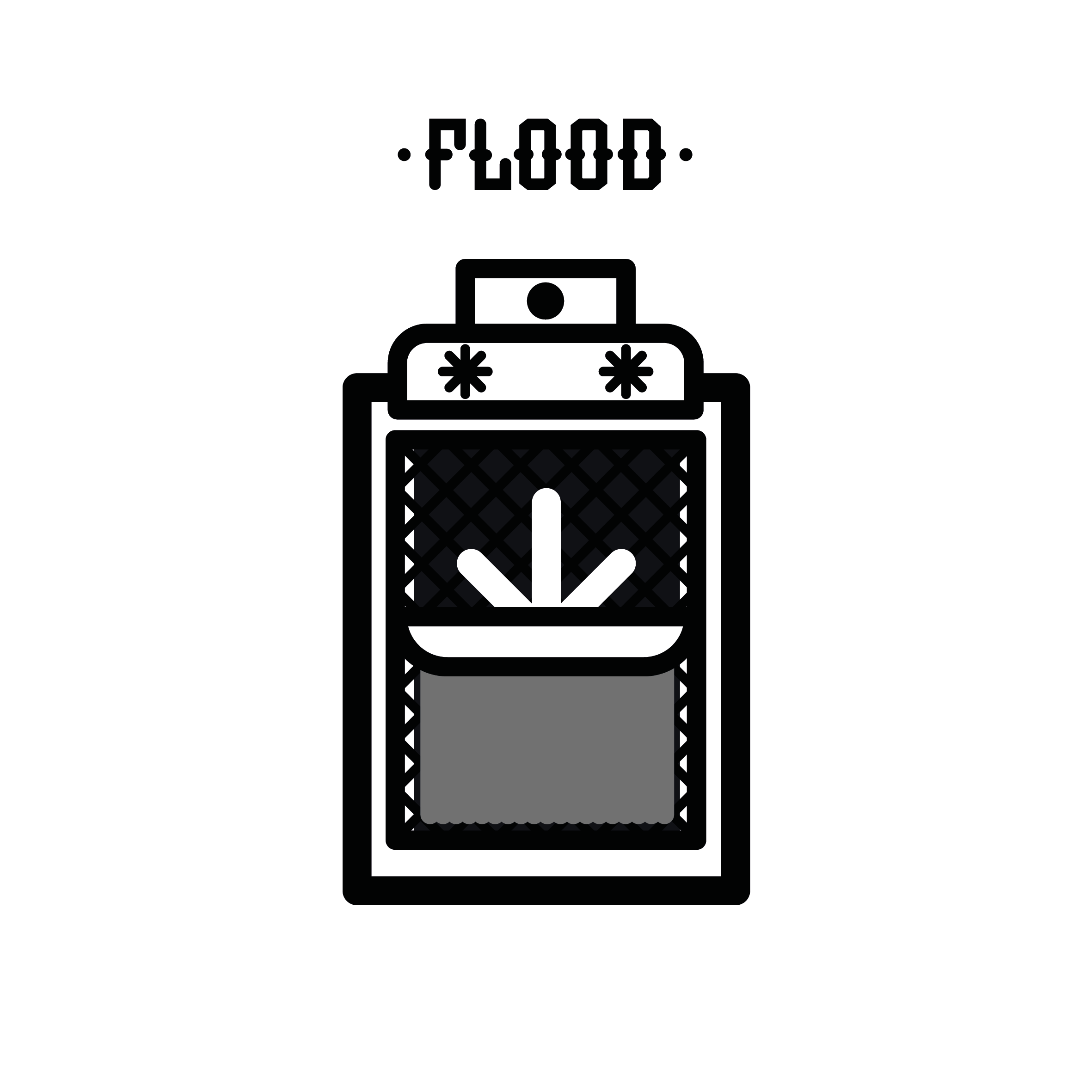
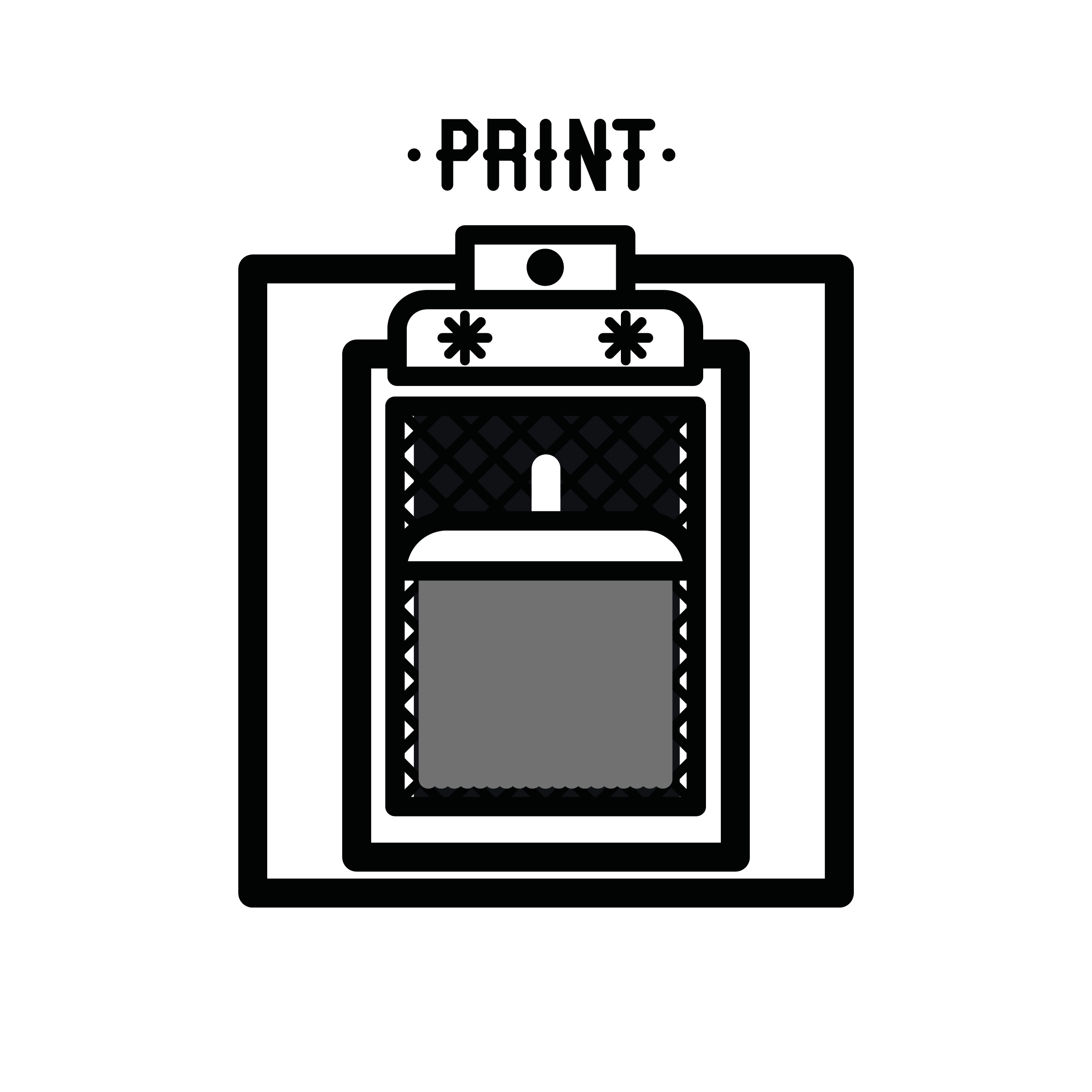
Screen printing is a method of printing where you stretch a silk mesh over a wooden or metal frame to which you then cover the mesh in emulsion and make this impermeable by adding a blocking stencil. Usually it’s an image printed on acetate, then its exposed into the emulsion by a light. A squeegee is dragged over the exposed mesh to flood it with ink, and then the whole screen is pushed down onto the material where the squeegee drags a second coat of ink over the exposed part of the screen, which therefore transfers the ink onto the material.
During the Song Dynasty, in China around 960-1279, is where screen printing first appeared. It was picked up quickly by other Asian countries like Japan where they developed this process heavily into creating various new methods of the printing. Introduced to Western Europe in the late 18th century it wasn’t actually used until the silk mesh was available for a profitable income from the medium. Many experimented with different ways in which they could change the way image could be exposed into the emulsion. Using various different compounds like, potassium and sodium or ammonium chromate and dichromate chemicals that had glue within them. This experimentation revolutionised the way in which images could be burnt into the screen.
Andy Warhol popularised the technique of screen printing in the US in the 1960’s with his print of Marilyn Monroe in vibrant colours. Michel Caza, a master of this technique, supported the creation of this print. His knowledge of the subject enabled Warhol to fulfill the needs of his work allowing it to become globally known.
Screen printing is a method of printing where you stretch a silk mesh over a wooden or metal frame to which you then cover the mesh in emulsion and make this impermeable by adding a blocking stencil. Usually it’s an image printed on acetate, then its exposed into the emulsion by a light. A squeegee is dragged over the exposed mesh to flood it with ink, and then the whole screen is pushed down onto the material where the squeegee drags a second coat of ink over the exposed part of the screen, which therefore transfers the ink onto the material.
During the Song Dynasty, in China around 960-1279, is where screen printing first appeared. It was picked up quickly by other Asian countries like Japan where they developed this process heavily into creating various new methods of the printing. Introduced to Western Europe in the late 18th century it wasn’t actually used until the silk mesh was available for a profitable income from the medium. Many experimented with different ways in which they could change the way image could be exposed into the emulsion. Using various different compounds like, potassium and sodium or ammonium chromate and dichromate chemicals that had glue within them. This experimentation revolutionised the way in which images could be burnt into the screen.
Andy Warhol popularised the technique of screen printing in the US in the 1960’s with his print of Marilyn Monroe in vibrant colours. Michel Caza, a master of this technique, supported the creation of this print. His knowledge of the subject enabled Warhol to fulfill the needs of his work allowing it to become globally known.